How do you build extraordinary teams?
Not by leaning on one strong leader. In the most successful teams, everyone leads and follows: whoever’s best suited in the moment is given the influence to lead the rest. I call this leader rotation — and you can put it to work.
Building successful teams isn’t easy
Whether you have just started a new company or work in a large corporation, your ability to build strong teams is critical to your success.
But building successful teams isn’t easy – especially if, at the same time, you’re trying to build “strong leadership.”
Focus on the team — not the leadership
Most organizations are built around a simple idea:
Managers lead, and the employees follow.
That works well when the world is simple and predictable. But the world is rarely simple and certainly not predictable.
The challenges we face are becoming more complex, and it’s unrealistic to expect one person to lead a team past every obstacle it encounters.
Instead, teams need to be able to draw on each other’s strengths by following the person who is best equipped to lead in a given situation.
It’s a different way of working together — but one that comes more naturally to us.
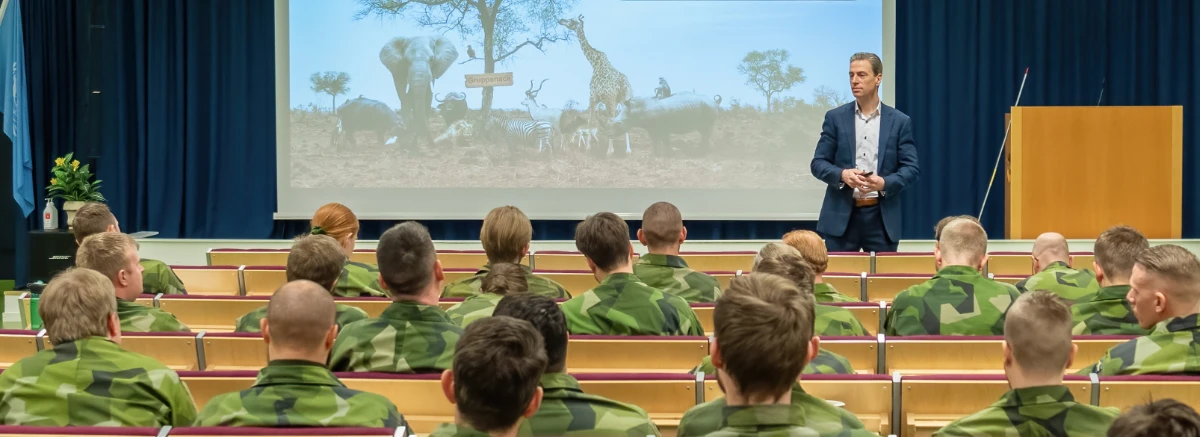
Natural followership
In a team built around natural followership, leadership isn’t tied to one particular person.
The person with the knowledge, experience or ability best suited to the situation takes the lead — and the others follow. When the situation changes, someone else can take over.
This allows the team to make better use of its collective capabilities instead of depending on a single individual.
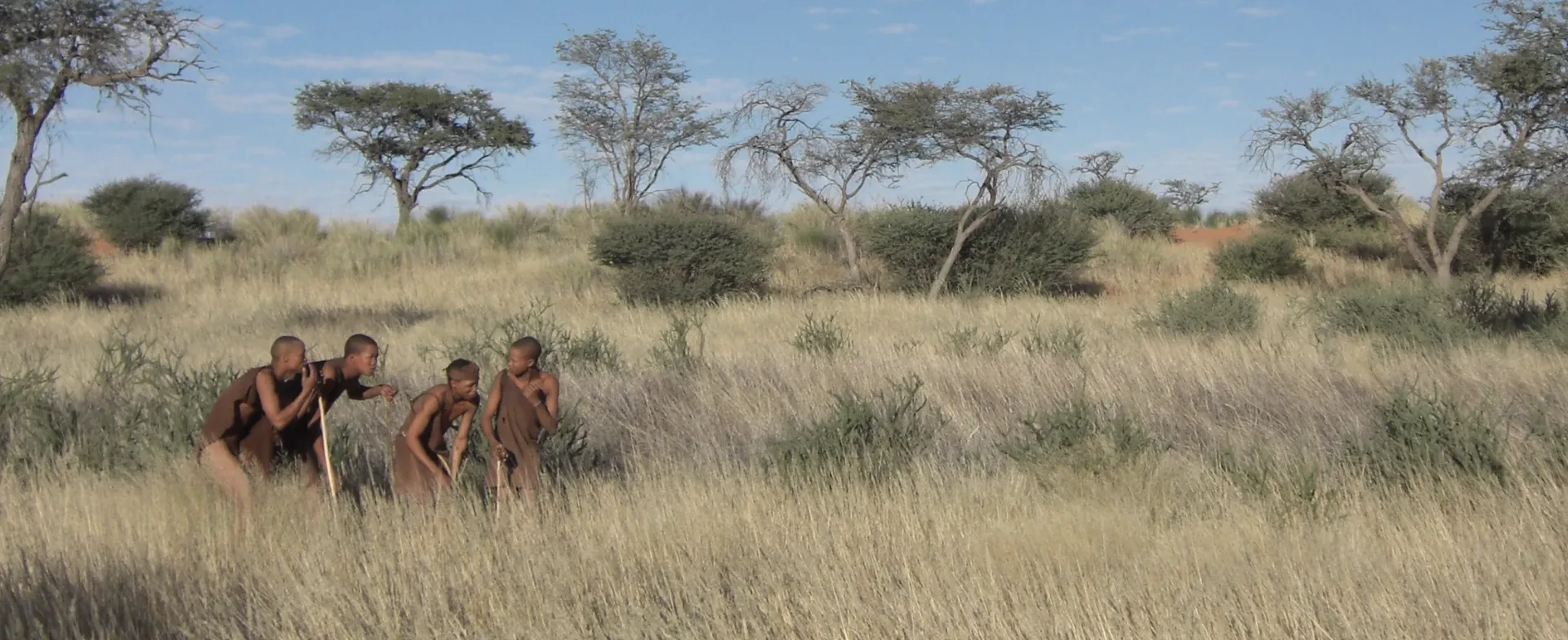
There is actually nothing new about this. Humans have worked together this way for most of our existence.
What is new is that we have built organizations where leadership is tied to formal positions.
What happens when teams lead together?
Today, managers are expected to be leaders. But what happens if a manager’s role is instead to create an environment where leadership can rotate?
If you want to build great teams, start by building teams with strong followership — teams where knowledge, experience and individual strengths are used to maximise the team’s ability to succeed.
Put our greatest superpower to work
My name is Chris Monö, and for the past 20 years, I’ve studied how people lead and follow one another, both through academic study and practical experience from different management roles.
I’m the author of Why We Follow (written as Christian Monö) and winner of the 2024 Followership Award of Distinction from the Global Followership Network.
Today I help start-ups and established organizations develop natural followership, natural leadership, and collaborationship.
Want to know how it works?